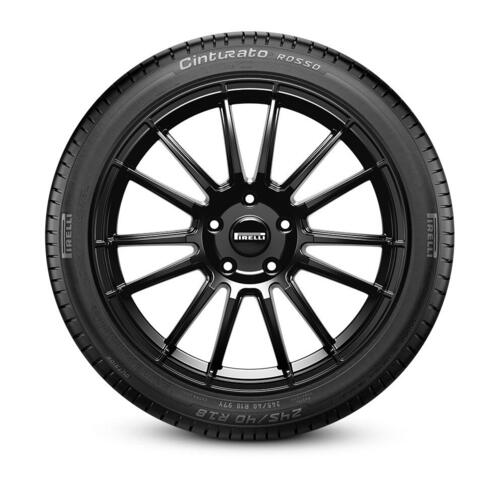





Tyres By Tyre Size

Tyre Size Search NZ — Find Tyres by Width, Profile & Rim | Hyper Drive
🔍 NZ's Largest Tyre Range — Search by Size

Find Tyres by Size — Instant Results Across NZ

Select your tyre width, profile and rim size below and we'll show you every matching tyre in stock — from budget to premium, with free delivery to 200+ fitting locations.

✓ 200+ Fitting Locations ✓ 10% Price Beat Guarantee ✓ Free NZ Delivery ✓ Same-Day Dispatch
Search Tyres by Size
Select your width, profile and rim — or search by number plate
/
R

Your size will appear here as you select — e.g. 225/65R17

Or search by number plate · vehicle make & model

200+ Fitting Locations NZ
10% Price Beat Guarantee
$19.99 Mobile Fitting From
1.5mm NZ WOF Min Tread
100k+ Tyres in Stock
The Definitive Guide

How to Read a Tyre Size in New Zealand

Every tyre sold in New Zealand carries a standardised size code on its sidewall. Understanding this code is the first step to finding the right replacement tyre — and to using the size search tool above correctly.

225/65R17
Width
225
Section width in millimetres across the tread
Profile
65
Aspect ratio — sidewall height as % of width (146mm)
Construction
R
Radial — the standard for all modern tyres
Rim Diameter
17
Wheel diameter in inches the tyre fits
📐
Where to Find Your Size

Your tyre size is printed on the sidewall of every tyre currently fitted to your vehicle. Look for a sequence like 225/65R17 102H — it is always on the outer sidewall. You can also find it on the tyre placard inside your driver's door jamb, or in your vehicle owner's manual.

⚠️
Load Index & Speed Rating

After the three-part size code you'll see two more numbers — for example 102H. The number (102) is the load index, indicating the maximum weight each tyre can carry. The letter (H) is the speed rating, indicating the maximum sustained speed. You must never fit a tyre with a lower rating than your vehicle's specification.

🔄
Can I Change My Tyre Size?

NZTA regulations allow a tyre size variation of up to ±3% of the original rolling circumference without requiring a Low Volume Vehicle (LVV) certification. Beyond this, a specialist inspection is required. Changing size also affects speedometer accuracy and handling — always consult a tyre specialist before deviating from your vehicle's factory specification.

🇳🇿
NZ-Specific Markings

In New Zealand you may also see additional markings on tyre sidewalls: XL (Extra Load — higher load capacity), RF or RFT (Run Flat Technology), EV (reinforced for electric vehicle weight), and M+S or the three-peak mountain snowflake symbol (all-season or winter rated). These affect which replacement tyre is appropriate for your vehicle.

The tyre size code is a globally standardised system, but New Zealand has some unique considerations. The country's large grey import vehicle fleet means some vehicles arrive with Japanese domestic market (JDM) tyre sizes that differ slightly from the NZ-market equivalent. For example, a JDM Toyota Prius may have a 195/65R15 tyre while the NZ-market version uses 195/65R15 — in this case the sizes match, but for some models the JDM variant uses a different profile. Always verify by reading the sidewall directly, and use the Hyper Drive number plate search as a cross-check against the Motor Vehicle Register data.

Vehicle Reference Guide

Tyre Sizes for NZ's Top Vehicles

Not sure of your tyre size? Use this reference table for New Zealand's most popular vehicles. Always verify by checking your tyre placard (inside the driver's door jamb) or using the number plate search above.

Vehicle Variant Year Tyre Size Shop
Toyota RAV4 GX 2019–present 225/65R17 Shop →
Toyota RAV4 GXL 2019–present 225/60R18 Shop →
Toyota RAV4 Edge / Cruiser 2019–present 235/55R19 Shop →
Ford Ranger XL / XLS / XLT 2015–present 265/65R17 Shop →
Ford Ranger Wildtrak / Sport 2018–present 265/60R18 Shop →
Toyota Corolla GX / GXL 2019–present 205/55R16 Shop →
Mazda CX-5 Maxx / Takami 2017–present 225/65R17 Shop →
Mazda CX-5 GT / Signature 2017–present 225/55R19 Shop →
Mitsubishi Outlander ES / LS 2013–2021 215/60R16 Shop →
Toyota Hilux SR5 / Rogue 2015–present 265/65R17 Shop →
Subaru Outback 2.5i / 3.6R 2015–present 225/60R18 Shop →
Honda CR-V VTi / VTi-L 2017–present 235/60R18 Shop →
Nissan X-Trail ST / ST-L / Ti 2014–present 225/65R17 Shop →
Toyota Prius Standard / Hybrid 2016–present 195/65R15 Shop →
Tesla Model Y Standard / Long Range 2022–present 255/45R19 Shop →
Kia Sportage LX / EX 2022–present 235/55R18 Shop →

Always verify your exact tyre size on the tyre placard inside your driver's door jamb. Variant and year differences can result in different sizes for the same model.

Tyre Size Rules NZ

Can I Change My Tyre Size?

New Zealand has specific rules about tyre size changes. Understanding these rules before you shop ensures your vehicle remains WOF-compliant and safe to drive.

01
The ±3% Rolling Circumference Rule

NZTA allows a tyre size variation of up to ±3% of the original rolling circumference without requiring a Low Volume Vehicle (LVV) certification. This means you can fit a slightly wider or narrower tyre, or a slightly different profile, as long as the overall diameter stays within this tolerance. For example, on a 225/65R17 (rolling circumference 2,143mm), you could fit a 235/60R17 (2,125mm) — a difference of only 0.8%.

02
Speedometer & Odometer Accuracy

Changing your tyre's overall diameter directly affects your speedometer and odometer readings. A larger diameter tyre makes your speedometer read lower than your actual speed (you're going faster than it shows), while a smaller diameter makes it read higher. In New Zealand, your speedometer must not read more than 10% below your actual speed. Fitting tyres with a significantly different diameter can cause your speedometer to read incorrectly and may result in a WOF failure.

03
Wheel Arch Clearance

A wider or taller tyre must physically fit within your wheel arch without contacting the bodywork, suspension components, or steering components at full lock. This is especially important when fitting aftermarket alloy wheels with a different offset. If a tyre contacts any part of the vehicle during normal operation, it will fail a WOF inspection. Always check clearance at full steering lock and over bumps before committing to a size change.

04
Load Rating Must Be Maintained

When changing tyre size, you must ensure the new tyre's load index meets or exceeds the minimum specified for your vehicle. A wider tyre does not automatically mean a higher load rating — always check the load index number on the new tyre against your vehicle's specification. Fitting a tyre with an insufficient load rating is illegal in New Zealand and will result in a WOF failure.

Original Size Compatible Alternative Diameter Change NZ Legal?
225/65R17 235/60R17 −0.8% ✓ Yes
225/65R17 225/60R17 −2.3% ✓ Yes
225/65R17 235/55R18 +0.5% ✓ Yes
205/55R16 215/50R16 −1.0% ✓ Yes
205/55R16 205/60R16 +2.7% ✓ Yes
265/65R17 265/70R17 +3.7% ⚠ LVV Required

This table is a guide only. Always consult a tyre specialist or NZTA-certified LVV certifier before changing tyre sizes. Hyper Drive specialists are available on 09 580 2403.

Trusted Brands

Shop by Brand

Hyper Drive stocks tyres from the world's leading manufacturers across every size. Whether you're looking for a budget-friendly everyday tyre or a premium performance option, we have the right brand for your vehicle and budget.

Technical Guide

Load Index & Speed Rating Explained

After the three-part size code, every tyre carries a load index and speed rating. These numbers are safety-critical — you must never fit a tyre with a lower rating than your vehicle's minimum specification.

Common Load Index Values

IndexMax Load per TyreCommon Use
87545 kgSmall hatchbacks
91615 kgSedans, hatchbacks
95690 kgMid-size sedans
98750 kgSUVs, wagons
102850 kgLarge SUVs
104900 kgLarge SUVs, light utes
1081,000 kgUtes, light commercial
1121,120 kgHeavy utes, 4WD

Speed Rating Reference

RatingMax SpeedCommon Use
T190 km/hOlder passenger cars
H210 km/hSedans, SUVs
V240 km/hPerformance sedans
W270 km/hSports cars
Y300 km/hHigh-performance
ZR240+ km/hSports/supercar

In New Zealand, the most common speed rating for everyday passenger cars and SUVs is H (210 km/h). Performance vehicles typically require V (240 km/h) or higher. For utes and light commercial vehicles, the load index is often more important than the speed rating — a Ford Ranger XLT, for example, requires a minimum load index of 108 to handle its payload capacity. When in doubt, always match or exceed your vehicle's factory specification. Fitting a higher speed rating than required is perfectly acceptable and sometimes beneficial for handling characteristics.

Mobile Tyre Fitting

We Come to You

Found your tyre size? Hyper Drive's mobile fitting service brings a fully equipped tyre van to your home or workplace. No need to drive to a workshop — we fit and balance your new tyres on-site, wherever you are.

  • Mobile fitting from $19.99 per vehicle
  • Fit and balance included — no hidden fees
  • Available in Auckland and select regions
  • Tyres delivered to our van before your appointment
  • TPMS sensor reset included for compatible vehicles
Book Mobile Fitting →
Hyper Drive mobile tyre fitting van Auckland — fitting tyres at your home or workplace
Frequently Asked Questions

Tyre Size Questions Answered

Everything you need to know about tyre sizes in New Zealand — from reading your sidewall to understanding load ratings and NZ legal requirements.

Your tyre size is printed on the sidewall of your current tyres in the format WIDTH/PROFILE R RIM — for example, 225/65R17. The three-part number means: 225 is the tyre width in millimetres, 65 is the aspect ratio (profile height as a percentage of width), and 17 is the rim diameter in inches. You can also find your recommended tyre size on the tyre placard inside your driver's door jamb, in your vehicle owner's manual, or by using the Hyper Drive number plate search to look up your vehicle's factory specification automatically.
225/65R17 is one of the most common tyre sizes in New Zealand, used on vehicles like the Toyota RAV4 GX, Mazda CX-5, and Mitsubishi Outlander. The number 225 is the tyre width in millimetres. The number 65 is the aspect ratio — the profile height is 65% of the tyre width, which equals 146.25mm. The letter R stands for Radial construction, which is the standard for all modern passenger and SUV tyres. The number 17 is the rim diameter in inches. When shopping for 225/65R17 tyres in NZ, also check the load index and speed rating — a common specification is 102H or 104H.
You can fit a different tyre size to your car, but there are important rules in New Zealand. NZTA regulations allow a tyre size variation of up to plus or minus 3% of the original rolling circumference without requiring a Low Volume Vehicle (LVV) certification. Going outside this range requires a specialist inspection. Changing tyre size also affects your speedometer accuracy, load capacity, and handling. If you have aftermarket wheels with a different rim diameter, you must match the new rim size and adjust the profile accordingly to maintain the same overall diameter. Always consult a tyre specialist before changing sizes.
The most popular tyre sizes in New Zealand reflect the country's high proportion of SUVs, utes, and Japanese imports. The top sizes by volume include 225/65R17 (Toyota RAV4, Mazda CX-5), 265/65R17 (Ford Ranger, Toyota Hilux), 205/55R16 (Toyota Corolla, Honda Civic), 215/60R16 (Mitsubishi Outlander older models), 235/55R19 (Toyota RAV4 Edge, Mazda CX-5 GT), and 245/45R18 (Subaru Outback, Mazda 6). The dominance of 17-inch and 18-inch rim sizes reflects the shift toward larger wheels on modern vehicles sold in New Zealand.
The load index and speed rating on your tyre must meet or exceed the minimum specification set by your vehicle manufacturer. The load index is a number (e.g., 91, 95, 102) that corresponds to the maximum weight each tyre can carry — for example, load index 91 means 615kg per tyre. The speed rating is a letter (e.g., H, V, W) indicating the maximum sustained speed — H is 210 km/h, V is 240 km/h, and W is 270 km/h. You must never fit a tyre with a lower load index or speed rating than specified. You can fit a higher rating, which is perfectly acceptable. Your vehicle's minimum specification is found in the owner's manual or tyre placard.
The minimum legal tyre tread depth in New Zealand for a Warrant of Fitness (WOF) is 1.5mm across the full width of the tyre in the principal grooves. This is measured using the tread wear indicators moulded into the tyre's main grooves — when the tread is flush with these indicators, the tyre has reached the legal minimum and must be replaced. Most tyre safety experts recommend replacing tyres at 3mm, as wet-weather braking performance degrades significantly below this level. A new tyre typically starts with 7–8mm of tread depth, giving you several years of use depending on driving style and conditions.
In New Zealand, you should not mix tyre sizes on the same axle. NZTA regulations require that tyres on the same axle are the same size and construction type. Mixing sizes on the same axle creates uneven handling, different braking distances on each side, and potential stability issues. It is acceptable to run a different size on the front axle versus the rear axle on some vehicles — particularly performance cars with staggered fitments — but only if this matches the vehicle manufacturer's specification. Always consult a tyre specialist before mixing sizes.
The Toyota RAV4 uses different tyre sizes depending on the model year and variant. The RAV4 GX (2019–present) uses 225/65R17. The RAV4 GXL uses 225/60R18. The RAV4 Edge and Cruiser use 235/55R19. Older RAV4 models (2013–2018) typically use 225/65R17 or 235/55R18 depending on the trim level. Always verify your exact size by checking the tyre placard on your driver's door jamb or using the Hyper Drive number plate search to look up your specific vehicle automatically.
The Ford Ranger uses 265/65R17 on most standard variants including the XL, XLS, and XLT with 17-inch wheels. The Ranger Wildtrak and Sport use 265/60R18. The Ranger Raptor uses 285/70R17. Older Ranger models (pre-2015) typically use 265/65R17. The Ford Ranger is one of New Zealand's best-selling vehicles, making 265/65R17 one of the highest-demand tyre sizes in the country. Always check your door jamb placard for the exact specification for your variant and year.
Tyre prices in New Zealand vary by size, brand tier, and performance category. For a common size like 205/55R16, budget tyres start from around $90–$120 per tyre, mid-range brands like Hankook and Yokohama range from $130–$200, and premium brands like Michelin and Pirelli range from $200–$350. For larger SUV sizes like 265/65R17, budget options start from around $130, mid-range from $180–$260, and premium from $280–$450. Hyper Drive offers a 10% price beat guarantee — if you find a lower price anywhere in New Zealand, Hyper Drive will beat it by 10%. Call 09 580 2403 to claim your price beat.
The difference between a 17-inch and 18-inch tyre is the rim diameter the tyre is designed to fit. An 18-inch tyre fits an 18-inch alloy or steel wheel, while a 17-inch tyre fits a 17-inch wheel. When upgrading from 17-inch to 18-inch wheels, you must also change the tyre profile (aspect ratio) to maintain the same overall rolling diameter — for example, moving from 225/65R17 to 225/55R18 keeps the rolling circumference approximately the same. Larger rim sizes generally give a sportier look and improved handling, but can result in a firmer ride and higher tyre replacement costs. Always maintain the same overall diameter to avoid speedometer errors and handling changes.
Yes. Hyper Drive offers a 10% price beat guarantee on all tyre sizes. If you find a lower price for the same tyre — same brand, same model, same size, same load index and speed rating — anywhere in New Zealand, Hyper Drive will beat that price by 10%. To claim your price beat, call 09 580 2403 or use the live chat on the Hyper Drive website. The price beat applies to in-stock tyres from authorised NZ retailers and is subject to verification of the competitor's price.
Get in Touch

Need Help Finding Your Size?

Our tyre specialists are available to help you find the right tyre size for your vehicle, compare brands, and arrange fitting at your nearest location.

📞
Call Us

Mon–Fri 8am–5pm

💬
Live Chat
On-site Chat

Available during business hours

📍
Fitting Locations
200+ Nationwide

Auckland to Invercargill

🚐
Mobile Fitting
From $19.99

We come to you — Auckland & select regions

Save at the Pump

The Right Tyre Size Saves You Fuel

Fitting the correct tyre size for your vehicle — at the right pressure — can improve fuel efficiency by up to 3%. Over a year of typical NZ driving, that adds up to meaningful savings. Under-inflated or incorrectly sized tyres create more rolling resistance, forcing your engine to work harder and burn more fuel.

Up to 3%
Fuel saving with correct size & pressure
1.5mm
NZ WOF minimum tread depth
10%
Price beat guarantee on all sizes
200+
Fitting locations nationwide

Copyright © 2026 Hyper 2 Ltd, all rights reserved. Powered by n2 ERP

Payment Methods

Sign up for the Latest
Specials & new arrivals

Sign up successful!